Welcome to the official website of Nanjing Tamso Optoelectronics Co., Ltd.

There are several types of common landscape lighting projects. The project also needs to pay attention to these key points!
Oct 17,2020
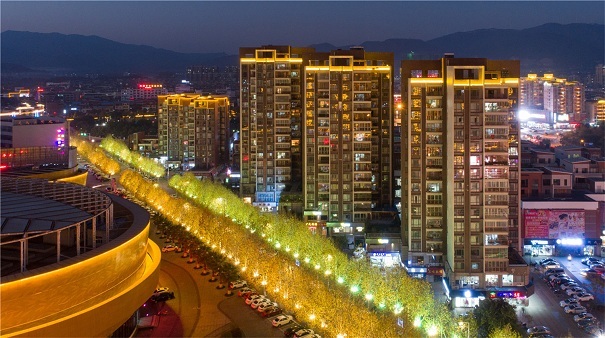
The landscape lighting projects in cities now have many different classifications. Based on different classifications, targeted design and production can be carried out. So what are the classifications? They mainly include square types, ancient architecture types, and large bridge types, etc. These types of lighting projects have a common characteristic, which is that many key points need to be considered during the project. In this article, the editor will provide a detailed introduction to the common types of landscape lighting projects and some key points that need attention.
Common types of landscape lighting projects:
1. Square landscape lighting
The shape and area of squares are neither fixed nor uniform, and the lighting must focus on meeting functional lighting as a prerequisite. Based on the inherent characteristics of the square, the functionality of the square should be fully utilized. For square landscape lighting, it is essential to unify the landscape lighting of the surrounding buildings with the lighting of other parts of the square, coordinating the landscape lighting of the square and the square avenue.
2. Ancient architecture landscape lighting
Highlighting classical architecture at night with lighting is key to classical building lighting. The arch formed by interlacing beams becomes a unique feature of classical architecture. The oil-painted decorations on the beams and arches enhance the beauty of the building through colorful patterns, aiming to accurately express the unique classical architectural culture and artistic connotation.
3. Large bridge landscape lighting
Modern large bridges are often modern cable-stayed bridges, with double-tower and single-tower designs. To enhance the overall effect of the bridge's atmosphere, artistic lighting fixtures can be placed every 4-5 meters along the road on both sides of the bridge, creating a sparkling pearl necklace effect. To ensure that the main tower is fully illuminated and has a good perspective effect, platforms should also be set up below the road surface.

Key points to pay attention to in landscape lighting projects:
1. Transformation and harmonious coexistence
Landscape lighting projects should highlight individual characteristics while harmonizing with the surrounding natural environment. The techniques, hues, and color transitions of landscape lighting fixtures should focus on the overall beauty of the building lighting project, following the overall planning regulations for urban lighting in large cities, and systematically carrying out regional or individual project lighting.
2. Expressiveness
The artistic aesthetic principles of building architecture are described through the geometric forms of points, lines, and surfaces, as well as color composition. Building lighting projects should be distinctive, prominent, and rich in cultural connotation.
Landscape lighting projects should first: highlight individuality, with distinct regional and contemporary characteristics; second, emphasize the design concepts and intentions of the architects, further discussing and promoting the characteristics and cultural connotations of the buildings in the lighting design of building facades.
3. Cautious use of colored light
Colored light has a significant emotional expression. It should be based on the architectural characteristics and main uses of the building, integrating the electronic optical properties of external building materials, and using appropriate lighting colors. The lighting colors of a building's facade should not be excessive; if the facade's color is too varied, it can lead to color imbalance, harming the sense of hierarchy and the building's brand image.
4. Aesthetic and discreet design
Streetlights and lighting fixtures installed on pedestrian crossings should have elegant designs, becoming a small landscape feature in the community both day and night.
Lighting fixtures installed on the road surface, building sides, or other building walls should be discreet, not obstructing the view of non-motor vehicles, and not affecting the daytime landscape of the buildings.
5. Safety
Lighting fixtures for building facades and streetlights are mostly placed on the road or ground, making them easily accessible to non-motor vehicles, so safety is paramount. The design should include measures for leakage protection to ensure personal and equipment safety. The electrical characteristics, impact resistance, etc., of the routes, lighting fixtures, and streetlights should meet design standards.

In summary, after reading this article, I believe everyone has a better understanding of the common types of landscape lighting projects and the key points to pay attention to. If you would like to learn more, feel free to contact us!
Previous:

Contact Us

Telephone:13186631992 025-83569917
Fax: 025-84199977
E-mail:njtansuo@163.com
Address: No.10 Kaicheng Road, Qilin Gate, Jiangning District, Nanjing City, Jiangsu Province, China

sweep Focus on us