Welcome to the official website of Nanjing Tamso Optoelectronics Co., Ltd.

The application of lighting control systems in landscape lighting design and its performance in landscape elements.
Oct 21,2019
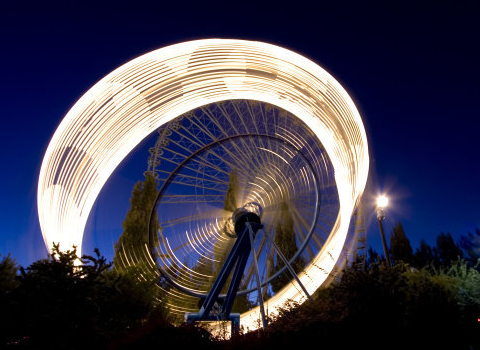
In urban lighting design, landscape elements are a crucial part and effectively reflect the elements of landscape lighting design. Below, I will introduce the application of lighting control systems in landscape lighting design and its performance.
The use of lighting control systems in landscape lighting design:
1. The choice of light source is an important factor affecting the lighting effect, while the building materials are another important factor. Relevant personnel need to combine knowledge from multiple disciplines. Light projected onto ordinary objects will create mixed reflection, diffuse reflection, and specular reflection. The clever use of different reflection methods can create stunning effects in landscape shaping.
2. Reasonable use of light and shadow: In the night scene lighting design of commercial areas, the light emitted by luminous bodies may be partially blocked by other buildings or landscapes, leaving shadows on other objects. This is referred to as the light and shadow effect. In lighting design, light and shadow are essential landscape elements that are interrelated, distinct, and complementary. Both are indispensable, and their reasonable use can achieve unexpected effects.

The application performance of landscape elements in lighting design:
1. When creating urban spaces, urban space refers to areas that provide different functional demands and roles for residents, including park landscapes, squares, and urban roads. Lighting plays a linking role, connecting and distinguishing various functional areas. At night, lighting connects different functional areas, and by combining different colors and illuminance of light, areas can be delineated, highlighting main spaces, thus providing a certain degree of guidance and suggestion in the space.
2. Reshaping the architectural image: In the urban image, buildings are important components. At night, under the illumination of lights, buildings, aided by their materials, facade meanings, and styles, can be rendered extensively, thus outlining a beautiful urban landscape.
3. For the design of landscape lighting, designers need to interpret the building volume, architectural style, and shape, comprehensively using various lighting expression methods to choose the most suitable way to present the nighttime image of the building, highlighting the main functions of the building while making the architectural interest more vivid and enriching the building's shape, thus reshaping the new architectural form.
4. Depicting the nighttime artistic conception of landscape elements has a finishing touch effect, which can give the nighttime city a new appearance and vitality. During the design process, designers need to consider the design environment comprehensively, combining their design of artistic conception to create the nighttime landscape of commercial areas, making it a work of art.

The above is my introduction, and I hope it helps everyone understand landscape lighting.

Contact Us

Telephone:13186631992 025-83569917
Fax: 025-84199977
E-mail:njtansuo@163.com
Address: No.10 Kaicheng Road, Qilin Gate, Jiangning District, Nanjing City, Jiangsu Province, China

sweep Focus on us