Welcome to the official website of Nanjing Tamso Optoelectronics Co., Ltd.

Key Points of Landscape Lighting Design and Its Construction Plan
Nov 19,2019
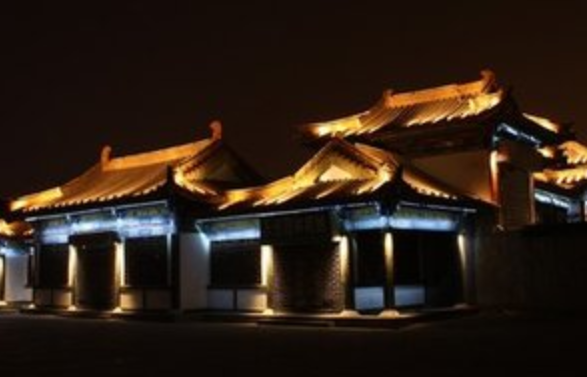
Landscape lighting uses different shapes, varying light colors, and brightness to create scenery. It is suitable for landscape locations such as squares, residential areas, and public green spaces. Today, I will introduce the key points of landscape lighting design and its construction plan. Interested friends, let's take a look together!

Key points of lighting project effect diagram design:
Lighting projects are actually very technical work; it is not just about designing a visually appealing effect. It must consider many aspects such as lamp type, power, lamp position, projection direction, and calculation data. Therefore, the design must go through calculations of light intensity distribution and be based on site conditions and years of experience to draw the lighting effect diagram. Only such diagrams can closely resemble the real effect.
Currently, many lighting projects in the suburbs of large cities and in third and fourth-tier cities cannot achieve such professionalism, especially when encountering some not very professional contracting companies. Many projects simply combine various lights such as colorful digital tubes, floodlights, and cross lights, using the number of lights to achieve brightness, which leads to many cities' lighting lacking aesthetic appeal or being almost identical, even causing resource waste.
Therefore, when choosing a lighting project supplier, it is important to assess their strength and past project experience. It is best to actually view their real case effects and not just trust the provided design effect diagrams.
As urban lighting projects shift from the requirement of "brightness" to the requirement of "beauty" in the future, urban lighting projects will become increasingly scientifically laid out, and higher demands will be placed on design and construction parties.

Landscape lighting project construction plan:
1. Propose design concepts
1. Analyze the surrounding environment and landscape characteristics of the garden, summarizing useful elements for the design of landscape lighting projects.
2. Propose the concept of landscape lighting design.
2. Conduct lighting analysis
1. Analyze the park route to determine the visual focal points for visitors when viewing the garden along this route and the primary and secondary relationships of various landscape nodes along the route.
2. Analyze the functions of landscape nodes to infer the design styles of various nodes in the garden and the brightness that must be achieved during landscape lighting implementation.
3. Analyze main scenes, extracting several main viewpoints in the garden based on the park route analysis and the function analysis of landscape nodes to form a large visual scene.
3. Deepen lighting design
During the deepening of the lighting project design, the landscape lighting design of each scene must closely adhere to the overall design concept. Under the guidance of the above landscape lighting project analysis, design according to the primary and secondary relationships of landscape nodes, the strength of landscape lighting, and the order of observation.

The above is the relevant content about landscape lighting that I have organized, hoping to be helpful to everyone.

Contact Us

Telephone:13186631992 025-83569917
Fax: 025-84199977
E-mail:njtansuo@163.com
Address: No.10 Kaicheng Road, Qilin Gate, Jiangning District, Nanjing City, Jiangsu Province, China

sweep Focus on us