Welcome to the official website of Nanjing Tamso Optoelectronics Co., Ltd.

The current state of landscape lighting and the future development of landscape lighting.
Dec 06,2019
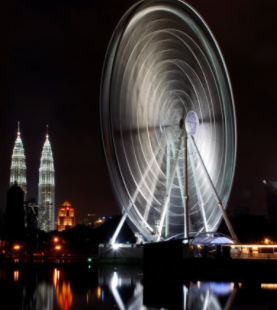
Currently, the landscape lighting of a city can represent the economic development of that city, but it also leads to excessive lighting, which not only wastes electrical resources but also damages the overall aesthetic of the urban landscape. So, in today's or future's strong advocacy for a low-carbon economy, what will the development of landscape lighting look like? Below, I will briefly introduce it.
Current situation of landscape lighting:
1. Companies that have been dedicated to night scene lighting for many years have evolved from neon lights, cold cathodes, traditional lamps to LEDs, never abandoning any of them. It is precisely the existence of these companies that has greatly promoted the significant development of the modern LED industry.
2. Advertising companies that have been in the business for many years and have done many illuminated sign projects later entered the lighting engineering industry. Most of these people can construct but do not understand design or lighting fixtures, coming in with money and rarely caring about construction quality.
3. Those who have been selling and operating lighting fixtures for many years later entered the lighting engineering field. This group mainly promotes their own lighting fixtures, neglecting the quality of the lighting project, and focuses on installing as many lights as possible, which often damages the original structure of the buildings during the day.
4. Designers who have been engaged in lighting design and later transitioned to integrated design and construction. These people understand design, lighting fixtures, and construction, and can produce good projects.

Development of landscape lighting:
1. Lighting projects should focus on energy saving. Lighting should start from functional needs, and decorative lighting should meet the function of 'beauty', reflecting a cultural cultivation and atmosphere.
2. Avoid disorderly and excessive development of landscape lighting. Urban building lighting projects require the participation of professionals and need overall planning and design. The lighting projects in bustling areas need scientific planning and strict adherence to relevant standards.
3. Integrate night scene lighting with urban planning. Develop an overall plan for urban lighting based on the characteristics of the city, making the entire city's nighttime lighting projects prominent and distinctive. On one hand, strengthen light environment management and carry out functional division of the light environment; on the other hand, strictly operate according to design standards, which is the 'low-carbon' path for urban lighting.

Contact Us

Telephone:13186631992 025-83569917
Fax: 025-84199977
E-mail:njtansuo@163.com
Address: No.10 Kaicheng Road, Qilin Gate, Jiangning District, Nanjing City, Jiangsu Province, China

sweep Focus on us