Welcome to the official website of Nanjing Tamso Optoelectronics Co., Ltd.

Knowledge popularization of explosion-proof LED roadway lamps for mines
Apr 29,2022
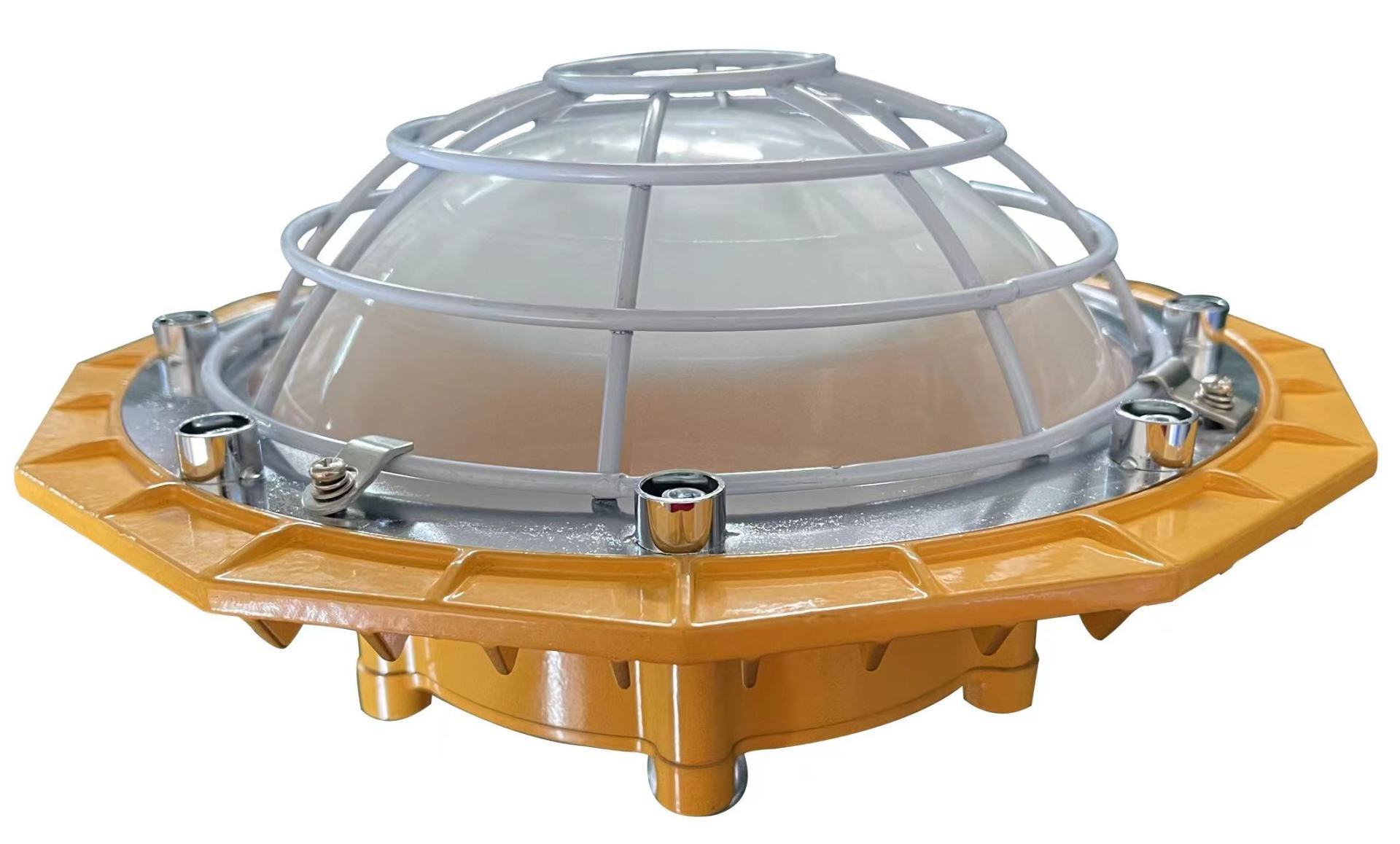
Explosion-proof LED mine roadway lamp In addition to being an LED light source, various specific measures are taken to prevent the ignition of surrounding explosive mixtures (such as explosive gas environments, explosive dust environments, gas-gas-gas, etc.). Explosion-proof LED mine roadway lamps are currently highly energy-efficient explosion-proof lamps, widely used in oil fields, power plants, chemical plants, petroleum, and military forces.
One of the very important explosion-proof principles of explosion-proof LED mine roadway lamps is to limit the temperature of the outer surface, component surface, or electronic component surface in contact with explosive gas and explosive dust, and limit the temperature of the electrical contact surface to below the lower ignition temperature or ignition temperature. Explosion-proof LED mine roadway lamps used outdoors should use waterproof drivers. Explosion-proof LED lamps used in gas stations need to be shockproof!
Classification of explosion-proof LED mine roadway lamps:
1. The explosion-proof category, grade, and temperature group of explosion-proof lamps are specified in national standards.
2. According to the explosion-proof type, it is divided into 5 main types: explosion-proof type, increased safety type, positive pressure type, flameproof type, and dust explosion-proof type. It can be divided into other explosion-proof types and combinations or composite types and special types of the above explosion-proof types.
3. According to the type of electric shock protection, it can be divided into Class , , and Class. Electric shock protection is the easily accessible parts of the explosion-proof lighting shell. In order to prevent electric shock or sparks generated by conductors with different potentials from igniting explosive mixtures.
Class A - According to basic insulation, in easily accessible normal operation, the conductive parts without electricity are connected to the protective grounding conductor of the fixed circuit.
Class B - Double insulation or reinforced insulation is used as a safety protection measure, without grounding protection.
Class C - Uses a safety voltage with an effective value less than or equal to 50V, which will not generate a value higher than this voltage.
Class D - Only basic insulation is used as a safety measure. Most explosion-proof lamps have Class I electric shock protection, and only a few have Class II and Class II lamps. For example: all-plastic explosion-proof lamps, explosion-proof flashlights.
4. Classified by the protection level of the enclosure: In order to prevent dust, solid foreign objects, and water from entering the lamp cavity, contacting or accumulating electrical components, thus causing jumping, short circuits, and destruction of electrical insulation, various enclosure protection methods play a role in protecting electrical insulation. The two numbers after the characteristic character "IP" represent the enclosure protection level. The first number indicates the protection ability against people, solid foreign objects, or dust. It is divided into levels 0-6. The explosion-proof lamp's shock resistance is at least level 4 or higher. The second number indicates the protection ability against water, divided into levels 0-8.
5. Classified by the supporting surface material of the lamp design: Indoor explosion-proof lighting can be installed on ordinary combustible material surfaces, such as wooden walls or ceilings. The temperature of the surface where explosion-proof lighting is installed is not allowed to exceed the safety value. According to whether the explosion-proof lamp can be directly installed on ordinary combustible material surfaces, it can be divided into two categories. Lamps that can only be installed on discontinuous surfaces.

Contact Us

Telephone:13186631992 025-83569917
Fax: 025-84199977
E-mail:njtansuo@163.com
Address: No.10 Kaicheng Road, Qilin Gate, Jiangning District, Nanjing City, Jiangsu Province, China

sweep Focus on us